
Product Description
SF Series B5 Flange Mounted Helical-worm Gearbox with Braking Motor with Flange Connection
S series: right-angle speed reduction gearing composed by helical gears, worms, and gears, optimized and designed according to international standard.
High precision, high efficiency, fine classification in transmission ratio, wide range, large transmission torque, reliable performance, low noise, flexible installation, and convenient use and maintenance.
They are widely used in various low-speed transmissions, which are general basic parts of mechanical transmission.The gear ratios afforded by the helical-worm gear stage and the low noise levels during operation make these gear motor ideal low-cost solutions for simple applications.
1.Technical data:
| Product Name | SF Series B5 Flange Mounted Helical-worm Gearbox with Braking Motor with Flange Connection |
| Gear material | 20CrMnTi alloy steel |
| Color | Blue Silver Customerized |
| Case Material | Cast iron HT200 |
| Gear Processing | Grinding finish by HOFLER Grinding Machines |
| Noise Test | Below 65dB |
| Brand of bearings | C&U bearing, ZWZ,LYC, HRB, CHINAMFG ,etc |
| Brand of oil seal | NAK or other brand |
| Temp. rise (MAX) | 40ºC |
| Temp. rise (Oil)(MAX | 50ºC |
| Vibration | ≤20µm |
| Housing hardness | HBS190-240 |
| Surface hardness of gears | HRC58°~62 ° |
| Gear core hardness | HRC33~40 |
| Machining precision of gears | 5 Grade |
| Lubricating oil | GB L-CKC220-460, Shell Omala220-460 |
| Heat treatment | Carburizing, Quenching etc |
| Efficiency | 89% (depends on the transmission stage) |
| Backlash | ≤20Arcmin |
2. Installation type and output mode:
bottom seated type and large and small flange type installation, CHINAMFG shaft output.
3. Input mode:
direct motor, shaft input and connecting flange input.
4. Reduction ratio:
7.75~12901, S,R combination up to 33918.
5.Technical parameters:
Coaxial output
Motor Power: 0.12kw-30kw
Torque: 1.4N · m ~ 23200N · m
Output speed: 0.06 ~ 374r/min
6. Model of R series reducer:
SF37, 47, 57, 67, 77, 87, 97
Detailed Photos
Certifications
Packaging & Shipping
Installation Instructions
Company Profile
< ABOUT TILI
< WORKSHOP
< QUALITY CONTROL
FAQ
Q 1: Are you a trading company or a manufacturer?
A: We are a professional manufacturer specializing in manufacturing various series of reducer.
Q 2:Can you do OEM?
A:Yes, we can. We can do OEM for all the customers .if you want to order NON-STANDERD speed reducers,pls provide Drafts, Dimensions, Pictures and Samples if possible.
Q 3: How long is your warranty?
A: Our Warranty is 12 months under normal circumstances.
Q 4: Do you have inspection procedures for reducer?
A:100% self-inspection before packing.
Q 5: Can I have a visit to your factory before the order?
A: Sure, welcome to visit our factory.
Q 6:How to choose a gearbox? What if I don’t know which gear reducer I need?
A:You can refer to our catalogue to choose the gearbox or we can help to choose when you provide,the technical information of required output torque, output speed and motor parameter etc. Don’t worry, Send as much information as you can, our team will help you find the right 1 you are looking for.
Q 7: What information shall we give before placing a purchase order?
A:a) Type of the gearbox, Size , Transmission Ratio, input and output type, input flange, mounting position, motor information and shaft deflection etc. b)Housing color.c) Purchase quantity. d) Other special requirements
Q 8:What is the payment term?
A:You can pay via T/T(30% in advance as deposit before production +70% before delivery
/* March 10, 2571 17:59:20 */!function(){function s(e,r){var a,o={};try{e&&e.split(“,”).forEach(function(e,t){e&&(a=e.match(/(.*?):(.*)$/))&&1
| Application: | Motor, Machinery, Marine, Agricultural Machinery |
|---|---|
| Function: | Distribution Power, Change Drive Torque, Change Drive Direction, Speed Changing, Speed Reduction |
| Layout: | Coaxial |
| Hardness: | Hardened Tooth Surface |
| Installation: | Horizontal Type |
| Step: | Three-Step |
| Customization: |
Available
| Customized Request |
|---|
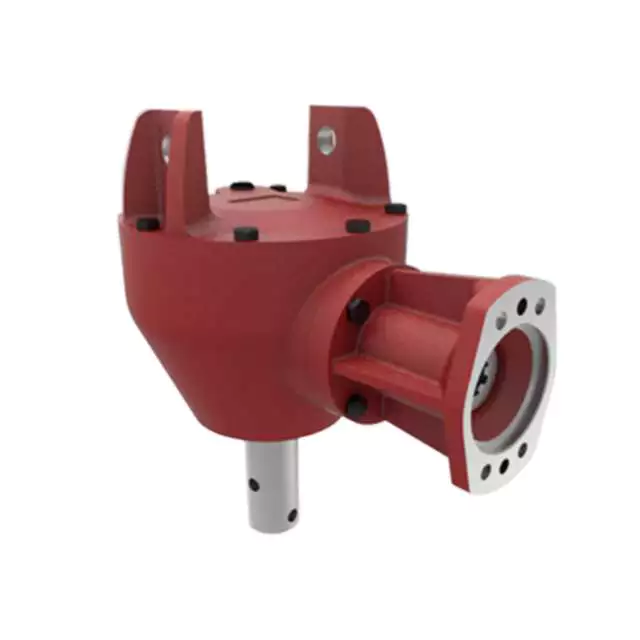
Case Studies: Successful Implementations of Agricultural Gearboxes
Several case studies highlight the successful integration of agricultural gearboxes in farming machinery:
- Case Study 1: Tractor Versatility
A farm in the Midwest implemented tractors equipped with adjustable gearboxes. The gearboxes allowed the tractors to seamlessly switch between plowing, planting, and harvesting tasks. The ability to customize speed and torque ratios improved efficiency and reduced the need for multiple machines.
- Case Study 2: Orchard Management
An orchard in California utilized specialized gearboxes in its mechanized harvesters. These gearboxes facilitated controlled movement and precise positioning of the harvesters among trees. The adaptability of the gearboxes enabled the harvesters to navigate the orchard’s uneven terrain while minimizing damage to trees and fruit.
- Case Study 3: Precision Planting
A farm in Europe integrated precision planting machinery with gearboxes that offered adjustable gear ratios. This allowed for precise control over seed placement and depth. The gearboxes played a vital role in achieving uniform crop emergence and optimizing seed-to-soil contact.
- Case Study 4: Multi-Tasking Implements
A farming cooperative in Australia utilized multi-tasking implements equipped with versatile gearboxes. These implements could seamlessly switch between tasks such as plowing, harrowing, and fertilizing. The gearboxes’ ability to manage torque and speed ratios ensured optimal performance across various tasks.
- Case Study 5: Soil Conservation
A farm in Africa adopted gearboxes in its soil conservation practices. By attaching specialized implements with adjustable gearboxes to their tractors, the farm effectively controlled soil erosion and improved water infiltration rates. The gearboxes allowed for precise adjustments based on soil type and slope.
These case studies illustrate the impactful role of agricultural gearboxes in enhancing efficiency, versatility, and productivity across a spectrum of farming applications.
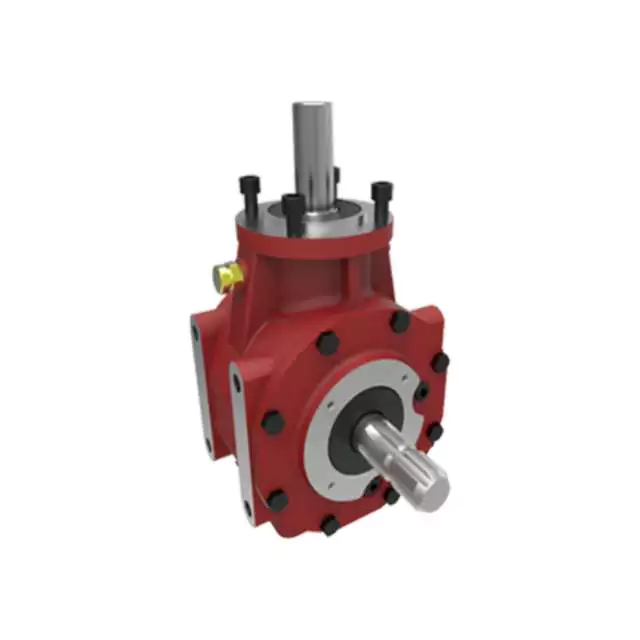
Handling Varying Torque Demands with Agricultural Gearboxes
Agricultural gearboxes are designed to handle the varying torque demands associated with different tasks in farming operations. The torque requirements can vary based on factors such as the type of task, the soil conditions, the terrain, and the machinery’s speed. Agricultural gearboxes are equipped with features that allow them to adapt to these varying torque demands:
- Gear Ratio Selection: Agricultural gearboxes often come with multiple gear ratios, allowing operators to select the appropriate ratio for the task at hand. Lower gear ratios provide higher torque for tasks that require more force, such as plowing or tilling, while higher gear ratios offer higher speeds for tasks like mowing or transporting.
- Torque Multiplier: Some agricultural gearboxes are designed with torque multipliers that enhance the torque output from the engine to the wheels or implement. These multipliers are engaged when higher torque is needed, helping the machinery handle heavy loads or challenging terrain.
- Adjustable Speeds: Many agricultural gearboxes allow operators to adjust the speed of the machinery to match the torque requirements of the task. This flexibility is essential for tasks that involve both high-torque, low-speed operations and high-speed operations with lower torque needs.
- Power Take-Off (PTO) Options: Agricultural gearboxes often feature power take-off mechanisms that enable the transfer of power from the engine to attached implements. These mechanisms can be designed to provide varying torque outputs to suit different implements, such as rotary tillers, balers, or pumps.
The ability of agricultural gearboxes to handle varying torque demands is crucial for ensuring efficient and effective farming operations. By offering adjustable gear ratios, torque multipliers, and adaptable speeds, these gearboxes empower farmers to optimize their machinery’s performance based on the specific requirements of each task.
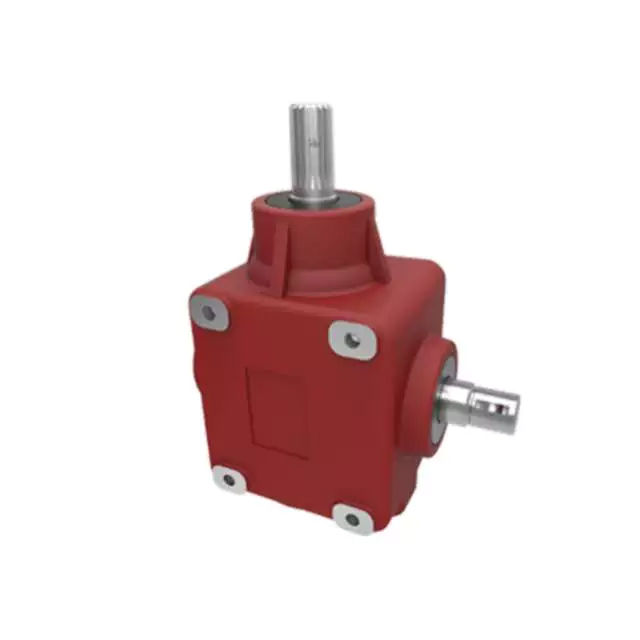
Key Features of a Durable and Reliable Agricultural Gearbox
A durable and reliable agricultural gearbox is crucial for the efficient operation of farming equipment and machinery. The following key features contribute to the durability and reliability of agricultural gearboxes:
- High-Quality Materials: Agricultural gearboxes are often exposed to harsh conditions, including dust, debris, and varying weather. Using high-quality materials, such as strong alloy steels, can enhance the gearbox’s resistance to wear, corrosion, and other forms of deterioration.
- Rugged Construction: The gearbox should have a robust and rugged construction to withstand the stresses and strains associated with agricultural tasks. Reinforced housings, precision machining, and robust seals can help prevent damage and ensure longevity.
- Effective Lubrication System: Proper lubrication is vital to reduce friction, dissipate heat, and prevent premature wear. Agricultural gearboxes should be equipped with efficient lubrication systems that ensure all components are adequately lubricated, even during extended operation.
- Sealing and Protection: Dust, dirt, and moisture are common challenges in agricultural environments. Effective sealing mechanisms, such as gaskets and seals, prevent contaminants from entering the gearbox and protect internal components from damage.
- Heat Dissipation: The gearbox should be designed to dissipate heat effectively, especially during prolonged operation. Overheating can lead to lubrication breakdown and premature wear. Cooling fins and adequate ventilation can help maintain optimal operating temperatures.
- Gear Quality and Precision: High-quality gears with accurate tooth profiles and precision manufacturing ensure smooth and efficient power transmission. Properly machined gears reduce noise, vibration, and the risk of gear failures.
- Advanced Gear Design: Some agricultural gearboxes may feature advanced gear designs, such as helical or planetary gears. These designs offer improved efficiency, reduced noise, and increased load-bearing capacity compared to traditional spur gears.
- Overload Protection: Incorporating overload protection mechanisms, such as shear pins or clutch systems, can prevent damage to the gearbox and other connected components in case of sudden high loads or jams.
- Easy Maintenance Access: The gearbox should be designed with maintenance in mind. Accessible inspection points, drain plugs, and fill ports make it easier for operators to perform routine maintenance tasks.
Manufacturers often engineer agricultural gearboxes to meet these requirements, ensuring that they can withstand the demanding conditions of farming operations and contribute to the reliable performance of agricultural machinery.


editor by CX 2024-02-10