
Product Description
EP-40002 Agricultural gearbox Lawn mower series
Characteristic
There are many factors that go into choosing the right gearbox for your lawnmower. Fortunately, there are a few things you can do to make your selection easier. In this article, we’ll discuss different types of transmissions, including Hydrostatic
transmissions, Ball/disk systems, Locking differentials, and more. We’ll also discuss whether you should add oil top-up to your lawn mower’s oil reservoir.
Hydrostatic transmissions
Hydrostatic transmissions in lawn mower gearboxes allow the user to change gears smoothly and control the speed of the machine.The hydros are similar to car automatic transmissions, with the hydros incorporating a pump that effects hydraulic fluid and reduction gearing. There are mechanical components such as the differential and drive axle, which must function properly to keep the lawnmower moving. If any of these parts fail, the machine will not move.
A hydrostatic transmission is 1 of the most popular types of automatic transmissions used in lawn mowers. These systems use fluid to transfer power from the engine to the wheels, and provide other advantages, including infinitely variable speed control,reverse rotation capability, and high power-to-weight ratio. The main benefit of hydrostatic transmissions over manual ones is that they have more expensive parts and require more fuel than other types.
Variable disk or ball/disk system
There are many differences between a ball/disk and variable disk or ball/disk system for your lawn mower’s gearbox. If you have a lawn tractor, you will have either 1 or the other. A ball/disk system is typically easier to maintain than a variable disk system. These systems both offer advantages and disadvantages. These systems are more expensive than a typical lawn tractor, but they are worth every penny.
A ratchet coupling device is used to provide a differential effect to wheels as the mower is turned. Another difference is the type of drive shaft. A ball/disk system can have 1 or 2 drive shafts. These driveshafts are usually connected to a
transmission. A ball/disk system has 2 drive shafts and a transmission. The drive shaft is connected to a blade by a single belt.
Locking differentials
Using locking differentials on a lawn mower gearbox is a great safety feature, especially if you’re mowing on muddy terrain. These devices prevent 1 wheel from spinning while the other gets stuck. Locking differentials also help your mower regain traction,making them increasingly common. In addition to lawn mowers, these devices are also often found on garden tractors. Ensure you know how to operate your lawn mower gearbox before you start mowing your yard.
Before you begin, make sure you know how to unlock the rear differential. To do this, you must first stop moving forward. Then,push the rear differential lock button to the “Off” position. Alternatively, some riding mowers have foot pedals that you can press to control the differential lock. Once you know how to use the differential lock, you can unlock the rear differential. In addition to locking the rear differential, you should also know how to use the pedals on your mower.
Need for oil top-up
Lawn mowers often require an oil top-up at least once a year. Oil reservoirs are located under the seat or frame and are easy to check. To check the oil level, add a few drops of SAE 30 motor oil to each CHINAMFG point. Also, add oil to the clutch, lift linkage,and brake pedals. You can find a dipstick on the fill plug or use a dowel rod to make one.
If you are adding the oil yourself, be sure to measure the capacity of the crankcase. To check the level, add up to half a quart.Don’t overdo it; overfilling the gearbox can damage the engine. The additional oil can result in an expensive repair or engine replacement. Use an oil gauge or dipstick to monitor the amount and make sure it is in the recommended level.
|
PRODUCT PARAMETERS |
|
|
ITEM |
HC-40002 |
|
Ratio |
3.2:1/3.77:1/4.17:1 |
|
Teeth |
15/48 /13/49/ 12/50 |
|
Module |
15/48 /13/49/ 12/50 |
|
Power(HP) |
85/ 85/85 |
|
Rated lnput |
540 rpm |
|
Input/Output Description |
13/4Z6 |
|
Weight(N.W) |
111 Kg |
Company Information
| Type: | Agricultural |
|---|---|
| Usage: | Agricultural Products Processing, Farmland Infrastructure, Tillage, Harvester, Planting and Fertilization, Grain Threshing, Cleaning and Drying |
| Material: | Iron |
| Power Source: | Electricity |
| Weight: | 111 Kg |
| After-sales Service: | Installation Guide 3-Year Warranty |
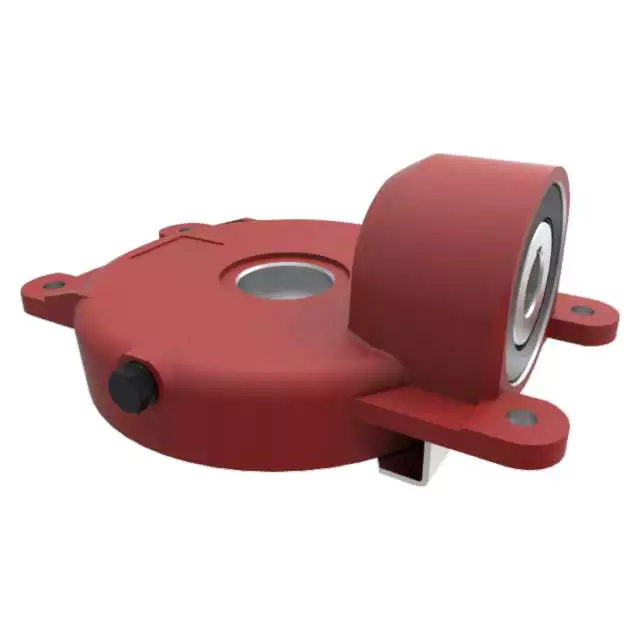
Lubrication Practices for Extending the Lifespan of Agricultural Gearboxes
Proper lubrication is essential for ensuring the longevity and optimal performance of agricultural gearboxes. Here are some essential lubrication practices that can help extend the lifespan of these gearboxes:
- Choose the Right Lubricant: Select a high-quality lubricant specifically designed for gearboxes and agricultural machinery. Consider factors such as viscosity, temperature range, and load-bearing capacity to ensure compatibility with the gearbox’s operating conditions.
- Regular Inspection: Perform regular visual inspections of the gearbox and lubricant to check for signs of contamination, wear, or inadequate lubrication. Address any issues promptly to prevent further damage.
- Cleanliness: Maintain a clean environment around the gearbox to minimize the risk of dirt, debris, and moisture entering the gearbox housing. Contaminants can compromise the lubricant’s effectiveness and accelerate wear.
- Lubricant Level: Monitor and maintain the proper lubricant level in the gearbox. Insufficient lubrication can lead to increased friction and heat, causing premature wear and potential damage to gears and bearings.
- Replace Lubricant: Follow the manufacturer’s recommendations for lubricant change intervals. Over time, lubricants can degrade, lose their properties, and become contaminated. Regularly replacing the lubricant helps ensure optimal performance.
- Use Lubrication Schedule: Create a lubrication schedule based on the gearbox’s usage and operating conditions. Stick to the recommended intervals for applying or changing lubricant to prevent under-lubrication or over-lubrication.
- Appropriate Lubrication Method: Follow the manufacturer’s guidelines for the correct lubrication method, whether it’s through oil bath, grease, or automatic lubrication systems. Proper application ensures even distribution of lubricant across gear surfaces.
- Temperature Considerations: Be aware of temperature variations in your operating environment. Extreme temperatures can affect lubricant viscosity and performance. Choose a lubricant that can handle the temperature range of your equipment.
- Expert Advice: Consult the gearbox manufacturer or a lubrication specialist to determine the best lubrication practices for your specific agricultural gearbox model and application.
By adhering to these lubrication practices, farmers can maximize the lifespan of their agricultural gearboxes, minimize downtime, and ensure efficient and reliable operation of their equipment.
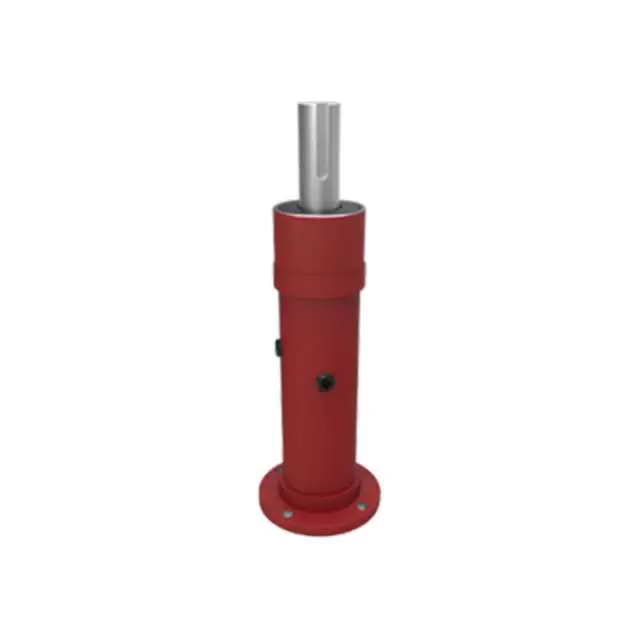
Factors to Consider When Selecting the Right Gearbox for Farm Machinery
Choosing the appropriate gearbox for farm machinery is crucial to ensure optimal performance and efficiency. Here are the key factors to consider when selecting the right gearbox:
- Power and Torque Requirements: Assess the power and torque needed for the specific task the machinery will perform. Select a gearbox that can handle the required load without straining the components.
- Speed Variation: Determine if the machinery requires variable speed control for different tasks. Some gearboxes offer adjustable speed options to match varying conditions and applications.
- Task Compatibility: Ensure that the chosen gearbox is compatible with the implements and attachments the machinery will use. Different tasks may require different gear ratios and torque capabilities.
- Efficiency: Opt for gearboxes known for their efficiency in power transmission. Efficient gearboxes minimize energy losses and maximize the output of the machinery.
- Durability: Farming environments can be demanding, so select a gearbox that is built to withstand the conditions, such as exposure to dirt, moisture, and impacts.
- Size and Weight: Consider the available space and weight limits on the machinery. Choose a gearbox that fits within these constraints without compromising performance.
- Maintenance: Evaluate the maintenance requirements of the gearbox. Gearboxes that are easy to maintain and service can minimize downtime and keep the machinery running smoothly.
- Cost: Balance the initial cost of the gearbox with its long-term benefits and performance. Investing in a quality gearbox can lead to better overall cost-effectiveness over time.
- Compatibility: Ensure that the gearbox is compatible with the power source (such as the tractor’s power take-off) and other components of the machinery.
- Manufacturer Reputation: Choose gearboxes from reputable manufacturers with a history of producing reliable and high-quality agricultural machinery components.
By carefully considering these factors, farmers can select the right gearbox that meets the specific needs of their farm machinery, leading to enhanced efficiency, productivity, and longevity of equipment.
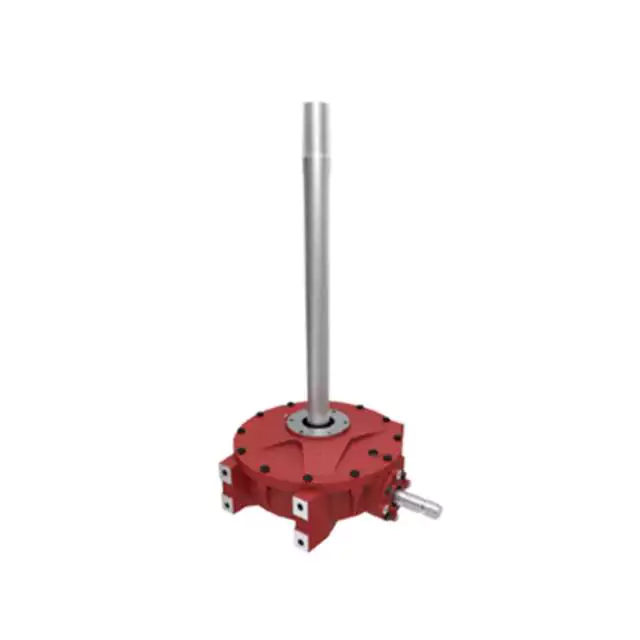
Types of Agricultural Gearboxes for Specific Tasks
Various types of agricultural gearboxes are designed to cater to specific tasks and applications in farming. These gearboxes are engineered to meet the unique requirements of different agricultural machinery and operations. Some common types of agricultural gearboxes include:
- Rotary Mower Gearboxes: These gearboxes are used in rotary mowers and cutters. They transmit power from the tractor’s power take-off (PTO) to the blades, enabling efficient cutting of grass, crops, and vegetation.
- Manure Spreader Gearboxes: Manure spreaders utilize specialized gearboxes to distribute manure evenly across fields. These gearboxes ensure consistent spreading of fertilizer while accommodating variable loads.
- Harvesting Gearboxes: Gearboxes used in harvesting equipment, such as combines and harvesters, enable efficient gathering, threshing, and separating of crops from their stalks. These gearboxes handle high loads and varying operating conditions.
- Seed Drill Gearboxes: Seed drills require gearboxes to distribute seeds accurately and at consistent intervals. These gearboxes ensure precise seed placement for optimal germination and crop growth.
- Hay Rake Gearboxes: Hay rakes utilize gearboxes to gather and arrange hay into windrows for baling. These gearboxes help optimize the hay collection process.
- Irrigation System Gearboxes: Agricultural irrigation systems may use gearboxes to control the movement and positioning of irrigation equipment, ensuring efficient water distribution across fields.
- Tillage Equipment Gearboxes: Gearboxes used in tillage equipment, such as plows and cultivators, help break up soil, prepare seedbeds, and promote seedling emergence.
- Tractor Gearboxes: Tractors may incorporate various gearboxes for tasks such as shifting gears, driving the power take-off, and operating attachments.
- Grain Auger Gearboxes: Grain augers use gearboxes to facilitate the movement of harvested grain from one location to another, such as from a combine to a storage bin.
Each type of agricultural gearbox is designed with specific features, load capacities, and durability to suit the demands of its intended task. Manufacturers engineer these gearboxes to withstand the challenging conditions of agricultural operations while ensuring efficient and reliable performance.


editor by CX 2023-09-14