
Product Description
ZheJiang Xihu (West Lake) Dis. CHINAMFG Technology Co., Ltd (FHZL) is 1 of China’s earliest companies engaging in researching 3D printing technology and commercialize the technology. The company successfully developed the advanced technology based on the 3D sand printing and applies the technology into China’s foundry industry.
FHZL has grown into a comprehensive high-tech company that could offer complete R&D & manufacturing, sales of 3D sand printing equipment, 3D printing complex metal parts, 3D printing combined with gravity and low pressure casting of traditional metal mold, CNC precision machining, customization of rapid manufacturing for 3D sand mold (core) printing, application of 3D data processing and 3D digital integrated technology, various 3D printing consumables, etc.
The cold core (box) manufacturing technology for 3D printing of micro-droplet jet sand mold was first developed in China, acquired multiple patent certification, this unique technology is superior and compatible with the conventional process. It would greatly changes the conventional production cycle and manufacturing technology in foundry industry.FHZL has more than 10 years of rapid casting & processing experience, over 1000 different types of product development cases per year, provided rapid manufacturing services to nearly 400 large enterprises both domestic and abroad which were widely used in automotive, pump, valve, machinery, mining machinery, construction machinery, vessel, aviation, aerospace, new energy, rail transit, casting mold and many other industries.
Why work with FHZL?
FHZL brand and reputation:
The national High-tech Enterprise in China;
The foundry Industry Association in ZheJiang Province;
The 5A Association of Automobile Industry in HangZhou City;
The listed company on stock market(stock code:834914).
Strict quality control system:
Included incoming inspection, sample inspection, process inspection and delivery inspection.
IFAT 16949 certificate, CE certificate and ISO 14001 and ISO 9001 certificated factory.
Lower cost and shortened delivery time:
patented new technology PCM (patternless casting manufacturing) has been applied to our manufacturing which improved the traditional casting efficiency rapidly.
No need of mold, casting pattern be formed 1 time, save the mold cost and mold making time.
More flexible during process:
In case of any failure on the design, PCM technology just need to modify the 3D drawings and restart, no mold modification cost.
What’s the technical process for casting?
High precision CNC machines and inspection devices.
Our Advantages
(1) Competitive price, all products are casted and machined in our factory, shipped directly to customer.
(2) Reliable quality, IATF16946 certified casting manufacturer, we have strict control about quality.
(3) Professional, we focus on production of Auto Parts for more than 10 years.
(4) Fast shipment, we have a efficient management system, several automatic casting lines, and more than 10 machining lines.
(5) Excellent service, our sales team has more than 10 years’ experience in oversea market, we know you better.
(6) Flexible production, we can customize the product according to your drawing.
FAQ
1. Are you a factory or trading company?
We are a IATF16949 certified factory specializing in producing Auto parts. We cast and machine the parts for more than 10 years.
2. Can you customize the parts according to the drawing?
We have professional technical dept., we are able to customize your parts according to the drawings.
3. Can you supply samples?
We can supply the samples, but you need to bear the development and delivery cost.
4. Do you have a min order quantity?
We don’t have a min order quantity, we can send you the parts according to your drawings
5. What is the period of sample production?
It will take 15~25 days to develop new product.
| Application: | Motor, Electric Cars, Motorcycle, Machinery, Marine, Toy, Agricultural Machinery, Car |
|---|---|
| OEM: | Customerized |
| Transport Package: | Wooden Case |
| Specification: | Customized |
| Trademark: | FHZL |
| Origin: | Foshan, China |
| Customization: |
Available
| Customized Request |
|---|
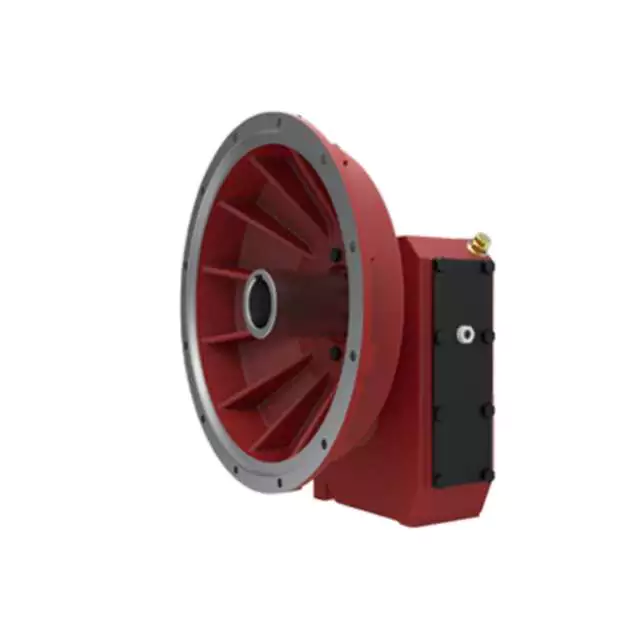
Using Agricultural Gearboxes in Specialized Tasks: Tilling and Planting
Agricultural gearboxes are versatile components that play a crucial role in various farming operations, including specialized tasks such as tilling and planting. Here’s how agricultural gearboxes are utilized in these tasks:
- Tilling: Tilling is an essential step in preparing the soil for planting. Agricultural gearboxes are used in tractor-mounted tillers to drive the rotating tines that break up and turn over the soil. The gearbox’s high torque capabilities and power transmission efficiency allow the tiller to work effectively even in tough soil conditions. Adjustable gear ratios in the gearbox enable operators to control the tiller’s speed and penetration depth, optimizing soil preparation.
- Planting: Precision planting requires accurate seed placement and spacing to maximize crop yield. Agricultural gearboxes are integrated into planting equipment to drive mechanisms that distribute seeds evenly at the desired depth. The gearbox’s ability to transmit power with precision ensures consistent seed placement, contributing to uniform germination and plant growth. Some gearboxes in planting equipment also offer variable speed options, allowing farmers to adjust planting rates based on seed types and field conditions.
By enabling efficient power transmission and offering customizable speed and torque settings, agricultural gearboxes enhance the effectiveness of specialized tasks like tilling and planting. Farmers can rely on these gearboxes to achieve optimal soil preparation and planting accuracy, ultimately contributing to higher crop yields.
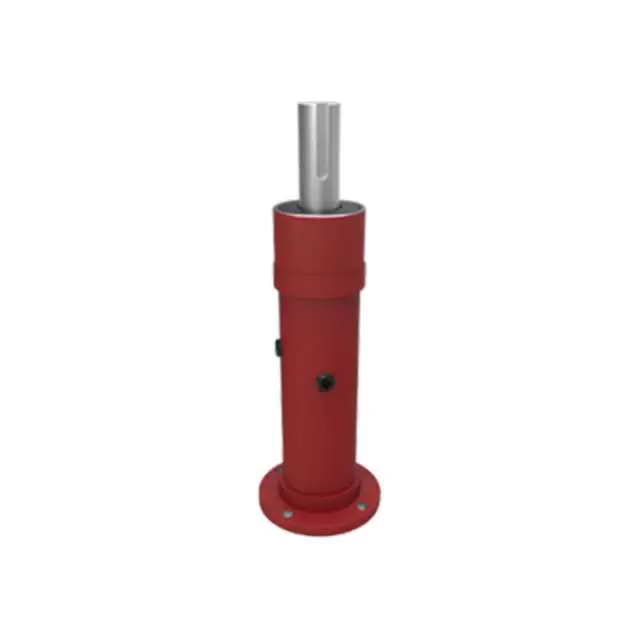
Factors to Consider When Selecting the Right Gearbox for Farm Machinery
Choosing the appropriate gearbox for farm machinery is crucial to ensure optimal performance and efficiency. Here are the key factors to consider when selecting the right gearbox:
- Power and Torque Requirements: Assess the power and torque needed for the specific task the machinery will perform. Select a gearbox that can handle the required load without straining the components.
- Speed Variation: Determine if the machinery requires variable speed control for different tasks. Some gearboxes offer adjustable speed options to match varying conditions and applications.
- Task Compatibility: Ensure that the chosen gearbox is compatible with the implements and attachments the machinery will use. Different tasks may require different gear ratios and torque capabilities.
- Efficiency: Opt for gearboxes known for their efficiency in power transmission. Efficient gearboxes minimize energy losses and maximize the output of the machinery.
- Durability: Farming environments can be demanding, so select a gearbox that is built to withstand the conditions, such as exposure to dirt, moisture, and impacts.
- Size and Weight: Consider the available space and weight limits on the machinery. Choose a gearbox that fits within these constraints without compromising performance.
- Maintenance: Evaluate the maintenance requirements of the gearbox. Gearboxes that are easy to maintain and service can minimize downtime and keep the machinery running smoothly.
- Cost: Balance the initial cost of the gearbox with its long-term benefits and performance. Investing in a quality gearbox can lead to better overall cost-effectiveness over time.
- Compatibility: Ensure that the gearbox is compatible with the power source (such as the tractor’s power take-off) and other components of the machinery.
- Manufacturer Reputation: Choose gearboxes from reputable manufacturers with a history of producing reliable and high-quality agricultural machinery components.
By carefully considering these factors, farmers can select the right gearbox that meets the specific needs of their farm machinery, leading to enhanced efficiency, productivity, and longevity of equipment.
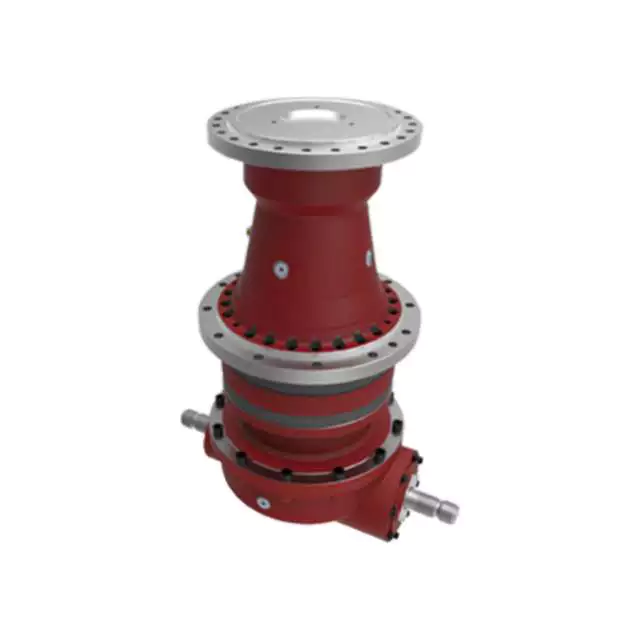
Maintenance Requirements for Agricultural Gearboxes
Maintaining agricultural gearboxes is crucial to ensure the smooth and efficient operation of farming equipment. Proper maintenance helps extend the lifespan of gearboxes and prevents costly breakdowns. Here are the key maintenance requirements:
- Regular Inspections: Conduct routine visual inspections to check for signs of wear, damage, leaks, or misalignment. Regularly inspect gear teeth, seals, and bearings for any issues.
- Lubrication: Proper lubrication is essential to minimize friction and wear in gearboxes. Follow the manufacturer’s guidelines for the type of lubricant to use and the recommended intervals for lubrication.
- Lubricant Checks: Monitor the gearbox’s lubricant levels and quality regularly. Replace or replenish lubricants as needed, and ensure that contaminants are kept out of the lubrication system.
- Tightening Bolts and Fasteners: Check and tighten bolts, nuts, and fasteners to prevent loosening due to vibrations during operation. Loose components can lead to misalignment and premature wear.
- Seal Inspection: Examine seals for leaks and proper sealing. Damaged or worn seals should be replaced promptly to prevent lubricant leakage and the ingress of contaminants.
- Cleaning: Keep gearboxes clean by removing dirt, debris, and residue. Regular cleaning prevents abrasive particles from entering the gearbox and causing damage.
- Alignment: Ensure that gearboxes are properly aligned with connected components, such as shafts and couplings. Misalignment can lead to increased wear and reduced efficiency.
- Temperature Monitoring: Monitor the operating temperature of the gearbox. Abnormal temperature increases may indicate issues like overloading or insufficient lubrication.
- Filter Replacement: If the gearbox has a filtration system, regularly replace or clean the filters to prevent contaminants from entering the gearbox.
- Expert Inspection: Periodically have gearboxes inspected by qualified technicians. They can identify potential problems that may not be visible during routine inspections.
Adhering to these maintenance requirements ensures that agricultural gearboxes remain in optimal condition and contribute to the reliability and efficiency of farming equipment. Regular maintenance not only prevents unexpected downtime but also prolongs the service life of the gearboxes, ultimately benefiting the productivity of agricultural operations.


editor by CX 2023-11-01